
Hair Growth Routine for Thinning Hair
Hair Growth Routine for Thinning Hair (Step-by-Step)
Healthy hair growth starts at the scalp. If you’re experiencing thinning hair, shedding, or slow hair growth, building a consistent hair growth routine can help improve the environment around the hair follicles and support stronger, healthier strands.
Hair grows from follicles located beneath the scalp. When the scalp becomes clogged with buildup, oil, or inflammation, it can affect the hair growth cycle and lead to weaker strands or slower growth. A targeted routine that focuses on scalp health, circulation, and active treatments can help support healthier hair over time.
This guide explains a simple step-by-step hair growth routine you can follow to improve scalp health and encourage stronger hair growth.
A targeted hair growth routine focuses on five core elements:
-
Keeping the scalp clean
-
Stimulating circulation
-
Activating hair follicles
-
Delivering nourishing treatments
-
Protecting hair from damage
Following these steps consistently can help support healthier hair over time.
Why a Hair Growth Routine Matters
Hair grows in cycles consisting of three phases:
-
Anagen (growth phase)
-
Catagen (transition phase)
-
Telogen (resting phase)
When these cycles become disrupted by stress, hormonal changes, scalp buildup, or inflammation, hair may shed more quickly or grow more slowly.
Maintaining scalp health is one of the most effective ways to support stronger hair growth. A consistent routine helps remove buildup, stimulate follicles, and deliver nutrients directly to the scalp.
Several factors can interfere with this process, including:
-
scalp buildup
-
inflammation
-
reduced blood circulation
-
stress
-
nutritional deficiencies
-
hormonal changes
Improving scalp health is one of the most effective ways to support hair growth. Regular scalp care routines — including exfoliation and massage — can help remove buildup and improve circulation around follicles.
For example, research suggests that scalp massage may help promote thicker hair and support follicle health by increasing blood flow to the scalp.
A consistent routine works by addressing the three key foundations of hair growth:
-
A clean scalp environment
-
Stimulation of hair follicles
-
Delivery of nourishing ingredients
Step 1: Scalp Exfoliation for Hair Growth
The first step in a hair growth routine is removing buildup from the scalp.
Over time, oil, dead skin cells, and hair product residue can accumulate around hair follicles. When this buildup isn’t removed, follicles may become blocked and the scalp environment can become unbalanced.
Scalp exfoliation helps:
-
remove dead skin cells
-
clear clogged follicles
-
improve scalp oxygenation
-
prepare the scalp for treatments
Many dermatologists recommend occasional scalp exfoliation to keep follicles clear and maintain a healthy scalp environment.
Regular exfoliation helps remove buildup and keep follicles clear. Using an exfoliating scalp scrub for hair growth once per week can support a healthier scalp environment.
How to exfoliate your scalp
-
Apply a scalp scrub to damp hair.
-
Massage gently using circular motions.
-
Focus on areas where buildup is most noticeable.
-
Rinse thoroughly and follow with a gentle shampoo.
Avoid over-exfoliating, as excessive exfoliation may irritate the scalp.
Step 2: Scalp Massage for Hair Growth
After cleansing and exfoliating the scalp, the next step is stimulating circulation.
Hair follicles rely on oxygen and nutrients delivered through blood vessels in the scalp. Improving circulation may help support healthier hair follicles and stronger hair growth.
One of the simplest ways to stimulate circulation is through scalp massage.
Research suggests that regular scalp massage may increase hair thickness over time. In one study, participants who performed daily scalp massages for several months experienced thicker hair compared to baseline measurements.
Benefits of scalp massage
Scalp massage may help:
-
increase blood flow to follicles
-
relieve scalp tension
-
improve nutrient delivery
-
support thicker hair growth
How to perform a scalp massage
-
Use the fingertips of both hands.
-
Apply gentle pressure to the scalp.
-
Move fingers in small circular motions.
-
Continue for 5–10 minutes.
Scalp massage can be done:
-
while washing hair
-
during treatment application
-
as part of a nightly routine
Tools such as a scalp massage tool for hair growth can help stimulate circulation and reduce tension in the scalp.
Step 3: Microneedling or Dermarolling for Hair Growth
Once the scalp is clean and circulation has improved, the next step is stimulating the hair follicles directly.
One method that has gained popularity in recent years is microneedling.
Microneedling involves using a tool with small needles to create micro-channels in the scalp. These tiny micro-injuries stimulate the body’s natural healing response, which can increase blood flow and support hair follicle activity.
Some studies suggest microneedling can be a promising tool for stimulating hair growth in people experiencing hair loss.
Microneedling with a dermaroller for hair growth creates micro-channels in the scalp that stimulate circulation and improve absorption of treatments.
Microneedling may also improve the absorption of topical hair growth treatments when applied afterward.
How microneedling supports hair growth
Microneedling may help:
-
stimulate follicle activity
-
increase blood circulation
-
enhance absorption of hair growth treatments
Dermarolling also enhances the effectiveness of topical hair growth treatments by helping ingredients penetrate the scalp more effectively
How often to dermaroll
For most routines:
-
once per week is sufficient
-
avoid overuse to prevent irritation
Consistency is more important than frequency.
Many experts recommend using microneedling tools no more than once or twice per week to avoid irritation.
Step 4: Apply a Hair Growth Treatment
After stimulating the scalp, apply a hair growth spray for thinning hair to nourish follicles and support stronger hair growth.
Hair growth treatments typically contain ingredients designed to:
-
nourish hair follicles
-
support scalp balance
-
strengthen existing hair
-
encourage healthier hair growth cycles
Applying treatments after scalp stimulation can improve their effectiveness because the scalp is more receptive to active ingredients.
When applying a hair growth treatment:
-
Apply directly to the scalp, not the hair strands.
-
Focus on thinning areas.
-
Massage gently to distribute the formula.
-
Leave the treatment on as directed.
Consistency is key when using hair growth treatments. Many treatments require several weeks or months of regular use before visible results appear.
Step 5: Protect Hair While Sleeping
The final step in a hair growth routine is protecting the hair while sleeping. Using a silk bonnet to protect hair while sleeping can reduce friction and help prevent breakage overnight.
Friction between hair and cotton pillowcases can cause:
-
breakage
-
frizz
-
moisture loss
Protective nighttime hair care helps maintain healthy hair and reduce mechanical damage.
Some common overnight protection strategies include:
-
silk or satin pillowcases
-
silk hair wraps or bonnets
-
loose protective hairstyles
-
lightweight hair oils
Reducing friction during sleep helps preserve hair strength and prevent unnecessary breakage.
Example Weekly Hair Growth Routine
Here is a simple routine that combines the steps above.
Weekly routine
Once per week
-
Scalp exfoliation
-
Microneedling treatment
-
Apply hair growth treatment
Daily
-
Gentle scalp massage (5–10 minutes)
-
Apply hair growth serum or mist
Night routine
-
Protect hair with silk bonnet or pillowcase
-
Avoid tight hairstyles
Following a consistent routine can help maintain a healthy scalp environment and support stronger hair over time.
Signs Your Scalp May Be Blocking Hair Growth
Sometimes hair growth slows because the scalp environment becomes unhealthy.
Common signs include:
-
excessive scalp buildup
-
itching or irritation
-
oily scalp imbalance
-
frequent dandruff
-
hair shedding
When these symptoms appear, improving scalp care may help restore balance and support healthier hair growth.
Ingredients That Support Hair Growth
Certain ingredients are commonly used in hair care to support scalp health and stronger hair.
These include:
Rosemary oil
Often used to support scalp circulation and hair thickness.
Peppermint oil
May help stimulate follicles through improved circulation.
Tea tree oil
Helps maintain scalp balance by reducing buildup and irritation.
Hair oils may not directly stimulate hair growth but can help create a healthier scalp environment for follicles.
Additional Tips to Support Hair Growth
While scalp care is important, hair growth is also influenced by lifestyle and nutrition.
To support healthy hair growth:
Maintain balanced nutrition
Hair follicles require nutrients such as:
-
iron
-
zinc
-
vitamin D
-
biotin
-
amino acids
A balanced diet rich in protein, fruits, vegetables, and healthy fats helps support healthy hair growth.
Reduce heat and chemical damage
Frequent heat styling and chemical treatments can weaken hair strands and increase breakage.
Limiting these practices helps preserve hair strength.
Manage stress
Stress can disrupt the hair growth cycle and contribute to shedding. Relaxation techniques, exercise, and adequate sleep may help support overall hair health.
Hair Growth Routine FAQ
How long does it take to see hair growth results?
Hair growth is gradual. Most people begin noticing improvements in hair strength or thickness after 8–12 weeks of consistent scalp care and treatment routines.
Does scalp massage help hair growth?
Some studies suggest scalp massage may improve hair thickness by increasing blood flow and stimulating follicles.
Does microneedling work for hair growth?
Early research suggests microneedling may help stimulate hair follicles and support hair growth when combined with other treatments.
How often should you exfoliate your scalp?
Most people benefit from exfoliating the scalp once per week to remove buildup and maintain scalp balance.
Final Thoughts
A healthy scalp is the foundation of strong hair growth.
By combining scalp exfoliation, circulation stimulation, follicle activation, and targeted treatments, you can create a routine that supports healthier hair over time.
Consistency is key. Small improvements in scalp care, when practiced regularly, can gradually improve the conditions that allow hair to grow stronger, thicker, and healthier.
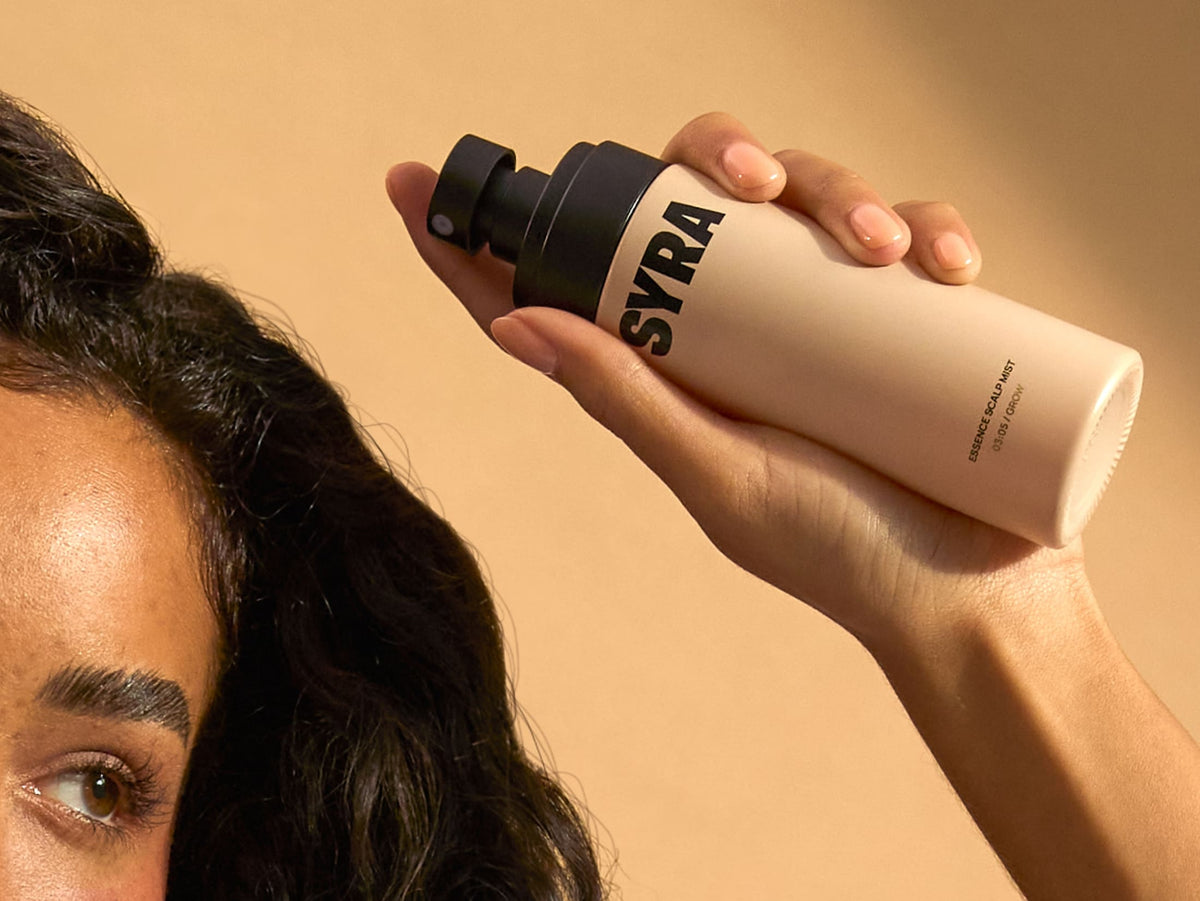
Essence scalp Mist
View guide
